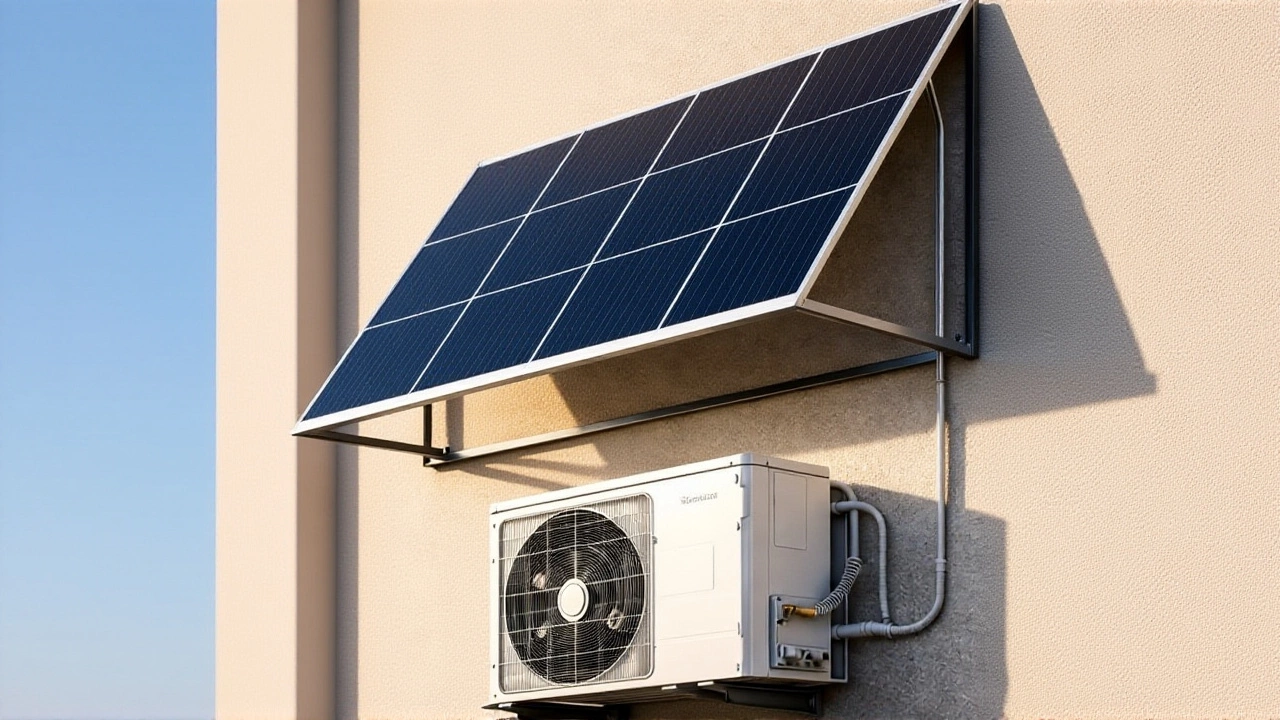
Imagine running your air conditioner during the peak of a scorching Indian summer without watching your electricity meter spin wildly. It’s no longer just a futuristic dream; it’s becoming a practical reality for homeowners across India. Recent reports from major news outlets like Aaj Tak and ABP Live reveal that solar-powered cooling is shifting from niche luxury to mainstream necessity, driven by skyrocketing energy costs and government incentives.
The twist? You don’t need to rip out your existing infrastructure entirely. The key lies in a specific technology called hybrid AC units, which seamlessly switch between solar power and the grid. But before you rush to buy panels, here’s the thing: the upfront cost can be steep, though the long-term math makes a compelling case for patience.
How Hybrid Solar ACs Actually Work
Here’s the technical breakdown without the jargon overload. A standard window or split AC runs on grid electricity. A solar AC, however, requires a specialized hybrid unit. These systems are designed to pull direct current (DC) from solar panels during daylight hours. When the sun goes down or clouds roll in, they automatically switch to battery backup or the traditional electrical grid.
According to an explainer published by Aaj Tak on March 20, 2026, this hybrid approach is crucial. It ensures you stay cool even when solar generation dips. For a typical 1-ton AC, you’ll need approximately 1.5 kilowatts (kW) of solar panel capacity. This setup allows the AC to run directly off solar energy during the day, significantly reducing strain on the grid and your wallet.
The Real Cost Breakdown: What Will It Set You Back?
Pricing in the solar market is as varied as the weather. Let’s look at the numbers reported across different platforms in early 2026.
- The Hybrid Unit Only: A 1.5-ton hybrid AC unit costs between ₹40,000 and ₹50,000.
- Solar Panels: A 1.5 kW solar panel system ranges from ₹1.2 lakh to ₹1.5 lakh, based on online marketplace data.
- Complete Packages: Some vendors offer all-in-one solutions. For instance, Moseta lists a 1.5-ton solar AC for around ₹1.05 lakh. Meanwhile, a more comprehensive package featuring six 350-watt panels and a 300Ah lithium battery was listed for ₹2,70,032 on certain e-commerce sites, as noted by TV9 Hindi.
- Legacy Pricing: Data from Kenbrook Solar suggests older models (from 2022) priced a 1.5-ton system with 2.5 kW panels at ₹1.39 lakh, including inverters and mounting structures.
It’s important to note that prices fluctuate based on brand, location, and availability. However, the trend is clear: while the initial investment is higher than a standard AC (which costs ₹30,000–₹45,000), the total cost of ownership drops dramatically over time.
The Government’s Role: PM Surya Ghar Yojana
This is where the story gets interesting for potential buyers. The Indian government isn’t sitting idle. The PM Surya Ghar Muft Bijli Yojana scheme is actively subsidizing solar installations. Both central and state governments contribute to reducing the capital expenditure (capex) for homeowners.
As highlighted in recent video explainers, these subsidies can slash the effective cost of solar panels by a significant margin. If you’re considering a solar AC, checking your eligibility for these subsidies should be step one. It transforms a ₹1.5 lakh expense into something far more manageable, accelerating the return on investment.
The Savings Math: Is It Worth It?
Let’s talk dollars and rupees—specifically, rupees saved. ABP Live ran the numbers for us. If you run a normal AC for 8–10 hours daily, your monthly electricity bill alone for the AC could hit ₹2,000 to ₹3,000.
Switch to a solar AC, and that bill plummets to roughly ₹200–₹500, or near zero if you have sufficient battery storage and panel capacity. That’s an annual saving of ₹20,000 to ₹30,000. Do the math: within 2 to 3 years, the savings alone can cover the initial cost of the system. After that? It’s pure profit—and cleaner air.
Environmental Impact and Future Outlook
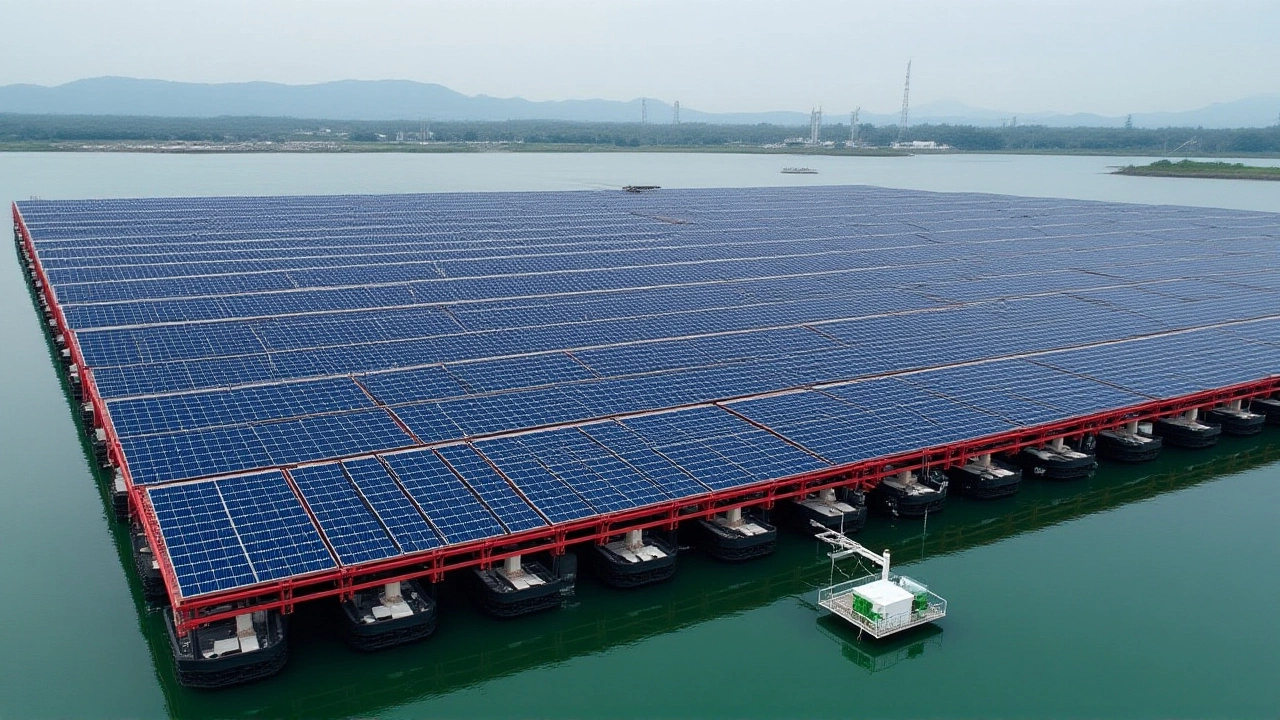
Beyond the bank balance, there’s the planet. Solar energy drastically reduces carbon footprints compared to thermal power plants. As Aaj Tak pointed out, this is a "one-time investment" that benefits both the consumer and the environment. With rising temperatures and increasing energy demand, solar ACs aren’t just a smart financial move; they’re a sustainable imperative.
What’s next? Expect more affordable hybrid models and better battery technologies to hit the market. Keep an eye on policy updates regarding the PM Surya Ghar Muft Bijli Yojana, as subsidy structures may evolve to encourage wider adoption.
Frequently Asked Questions
Do I need a special AC for solar power?
Yes, you typically need a hybrid AC unit. Standard ACs cannot directly utilize DC power from solar panels efficiently. Hybrid units are designed to switch between solar input, battery backup, and grid electricity automatically, ensuring consistent cooling regardless of sunlight availability.
How much does a complete solar AC setup cost in India?
Costs vary widely. A basic 1.5-ton hybrid AC unit costs ₹40,000–₹50,000. Adding a 1.5 kW solar panel system adds another ₹1.2–1.5 lakh. Complete packages, including batteries and inverters, can range from ₹1.05 lakh to over ₹2.7 lakh depending on the brand and components included.
Can I get government subsidies for a solar AC?
Yes. Under the PM Surya Ghar Muft Bijli Yojana, homeowners can receive subsidies from both central and state governments. These subsidies primarily reduce the cost of the solar panels and installation, making the overall system more affordable. Check local guidelines for specific eligibility criteria.
How long does it take to recover the investment?
Based on current electricity rates, users can save ₹20,000–₹30,000 annually on their bills. This means the initial investment can be recovered within 2 to 3 years of usage, after which the cooling becomes virtually free (excluding maintenance).
Does the AC work at night?
Yes. Hybrid systems are equipped with battery backups or grid connectivity. When solar power is unavailable at night, the unit switches to stored battery energy or draws from the main electricity grid, ensuring uninterrupted cooling.